Now that my eighth grader is back in school it seems like a good time to reflect on some lessons learned during the summer months that are based less on studying and reading books, and more on having experiences.
In West Virginia’s state parks there are programs that teach kids about nature. Last summer my daughter participated in an exploration of the creek that runs through Lost River State Park in Hardy County.
She and the other children gathered in front of the pool house, where the naturalist showed them pictures of the critters they could expect to find, helpfully offering an assessment of which makes good fish bait. He also gave them nets so they could catch some things.
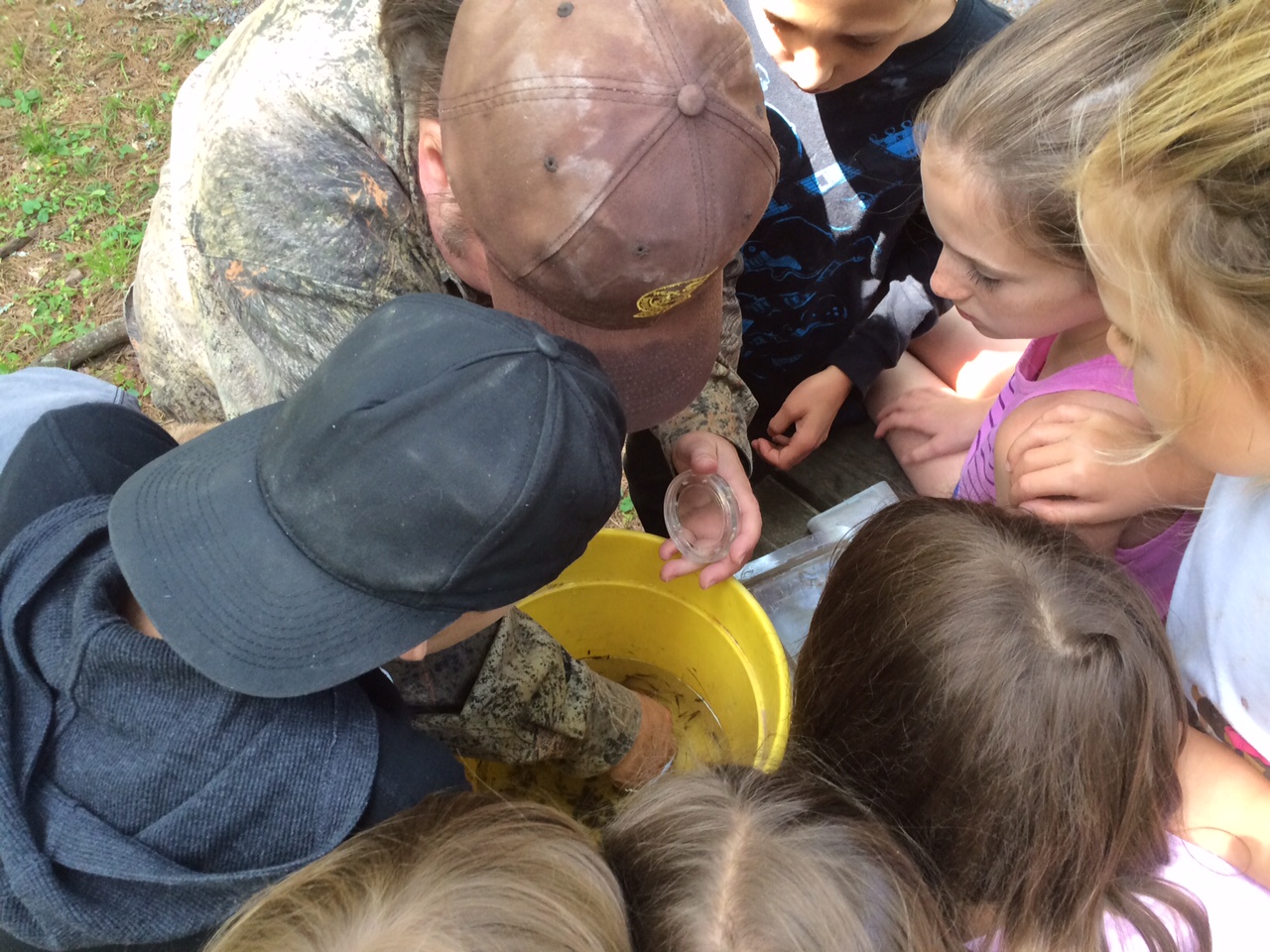
The naturalist then escorted the lively group of children and their parents—many of whom were from the Washington, D.C. area—to the creek where they proceeded to capture things like crayfish, salamanders, minnows, and various insects. After spending some time scouring the creek for critters that they deposited in a bucket, the naturalist had the children gather around a picnic table where he let them get a closer look through a magnifying glass. Parents were asked to take some of the creatures—like the salamanders and a crayfish with a soft shell—back to the creek where they were released.
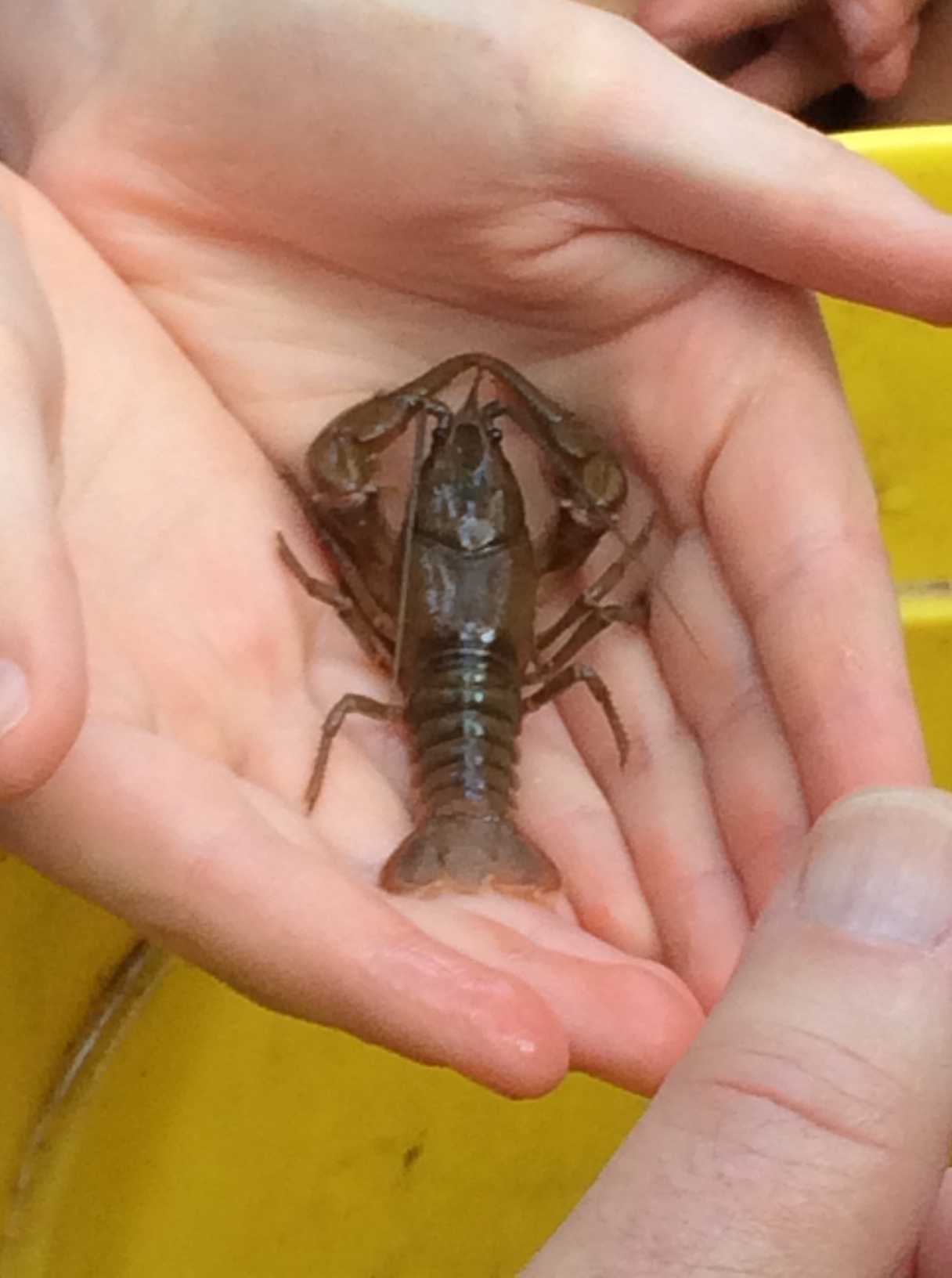
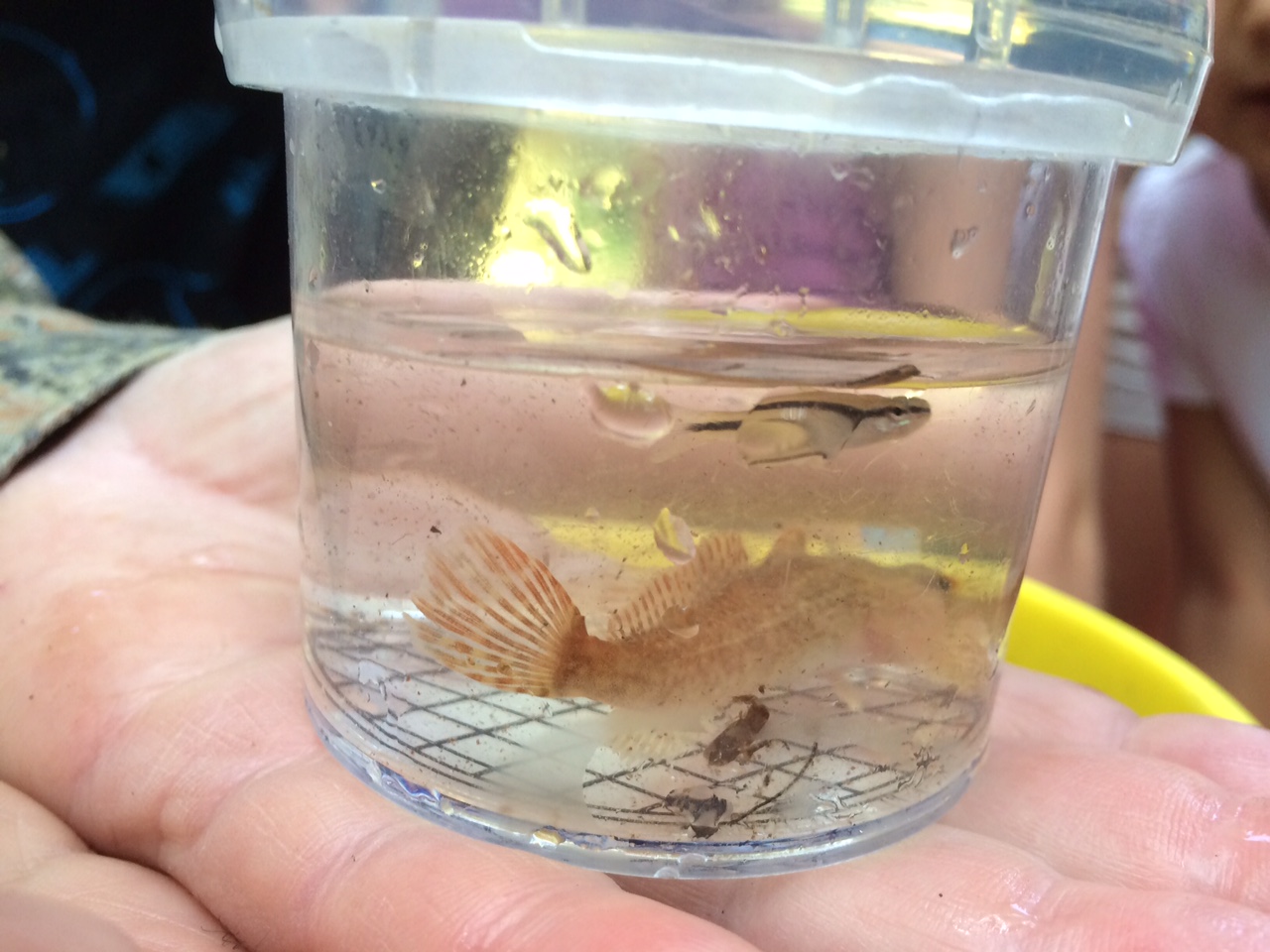
Once these special critters were given their freedom, the naturalist picked up the bucket and led his band of young hunters up the hill to the nature center where he proceeded to dump the creatures that were left in the bucket into a big tank of bass where—much to the horror of one or two parents from the city—the fish proceeded to feast on the bounty that the children had captured.
Unlike their horrified parents, the children were excited to see the fish eat, and they cheered whenever a bass was successful at gobbling down a bug or minnow. This was a real-life, hands-on lesson about the ecosystem and the food web—something not as easily learned by seeing a diagram in a science book.
 CeceliaMasonWV