Homecoming offers a sense of tradition, community

I work in the Office of Communications at Shepherd University, and one of my favorite events is homecoming. It’s a time of celebration and a great opportunity for alumni to return to their Alma Mater–a place that played a major role in who they’ve become.
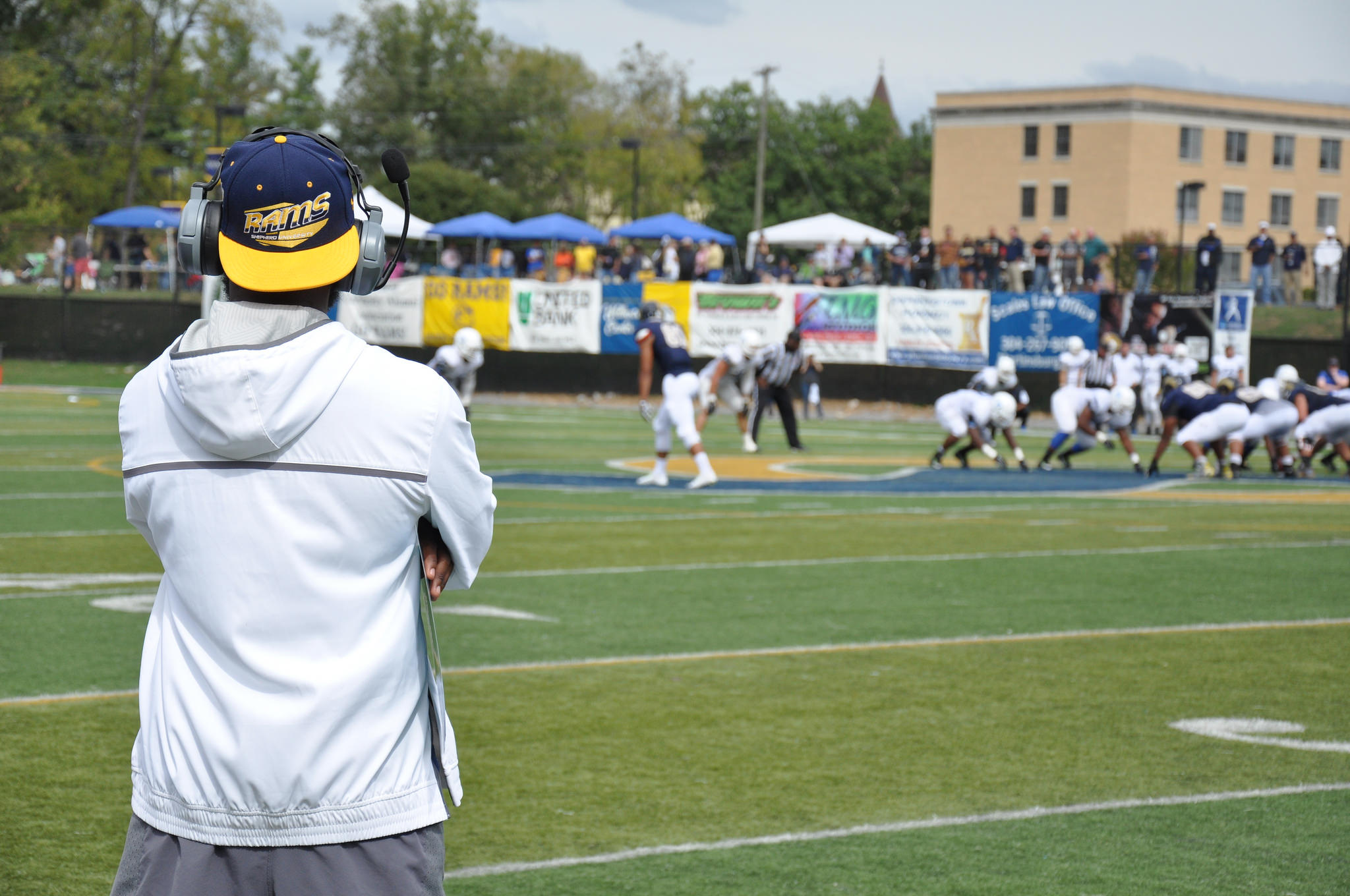

21744721571_4cf449c3e8_k

The Shepherd University Rams played the Notre Dame College of Ohio during the Sept. 26, 2015, homecoming game.


Homecoming at Shepherd includes a week’s worth of activities like a Jeopardy-like game starring an alum who actually appeared on the TV show, a luncheon for retired staff and faculty who have achieved emeritus status, and a founders day parade that winds its way across campus giving students, faculty, and staff a chance to have a little fun and to reflect on Shepherd’s past, present, and future.

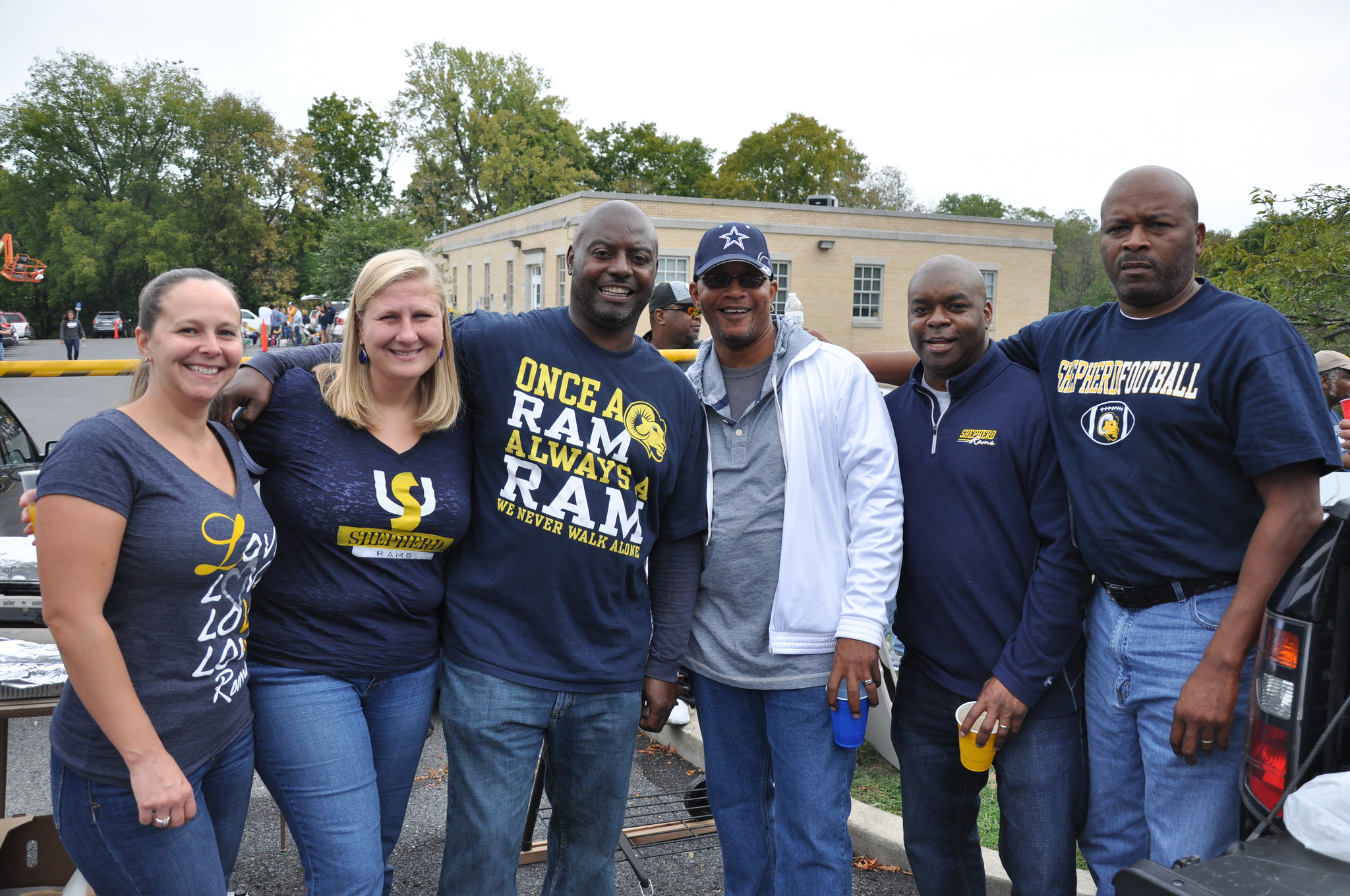
But the highlight of homecoming is the Saturday football game and the activities surrounding it. My job is to take photos—starting with the alumni breakfast and parade in the morning. All day I wander around taking pictures of happy people adorned in blue and gold shirts, jackets, hats, and scarves that often feature the school’s mascot, the ram.

21724025622_3d1d3915ed_k21112895614_89bb0b1571_k


However homecoming is more than just a parade, or a tailgate party, or a chance to catch up with old classmates. It offers something that most all of us desire—a sense of belonging and community. Once a year members of ram nation come together on campus to relive fond memories, see friends and former classmates, and to celebrate traditions that are a thread connecting many generations of graduates. It’s a happy scenario that’s playing out at colleges and universities across the country at this time of the year.
Reviewing the lessons of summer now that school’s back in session

Now that my eighth grader is back in school it seems like a good time to reflect on some lessons learned during the summer months that are based less on studying and reading books, and more on having experiences.

In West Virginia’s state parks there are programs that teach kids about nature. Last summer my daughter participated in an exploration of the creek that runs through Lost River State Park in Hardy County.

kids

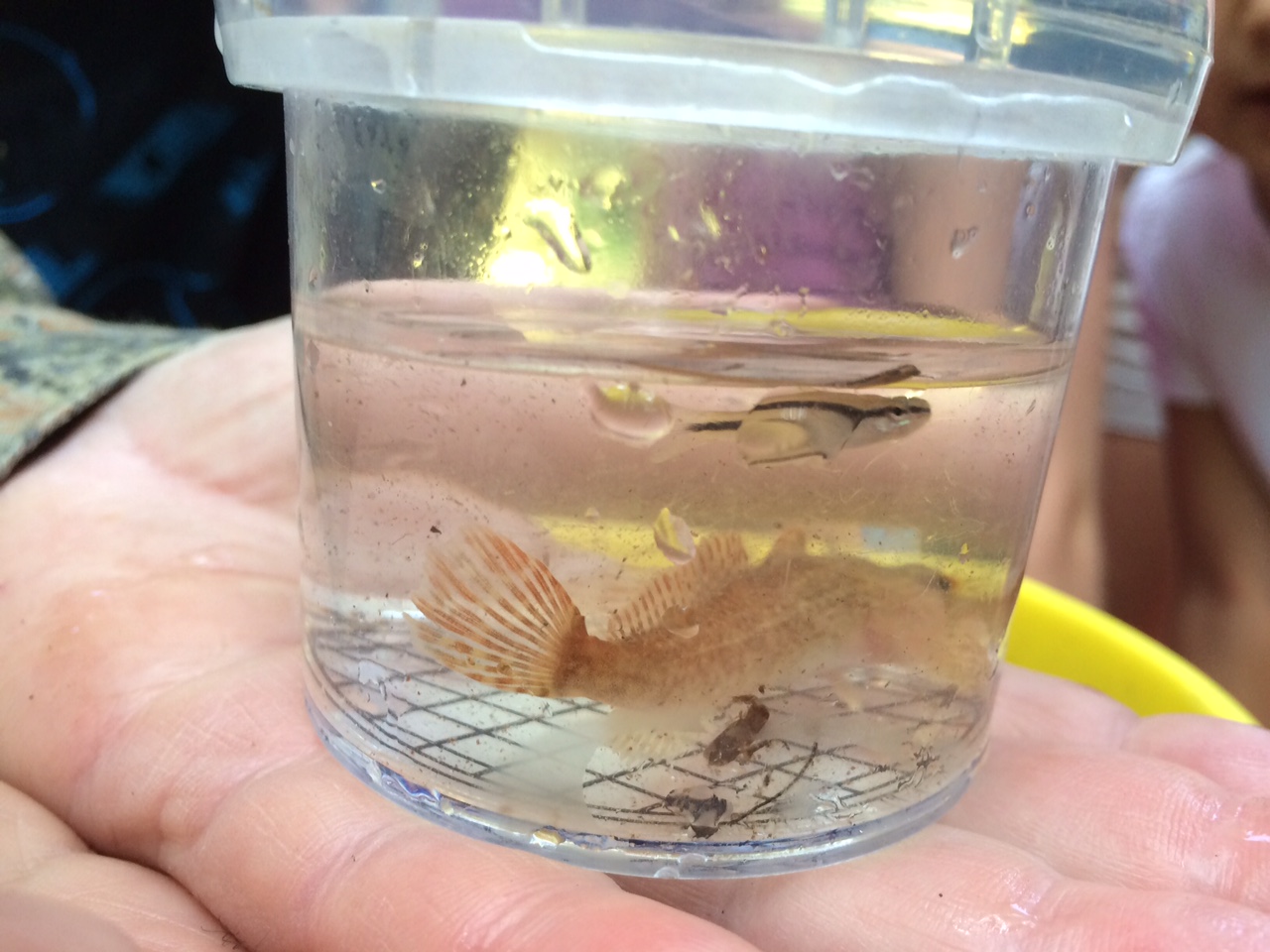
She and the other children gathered in front of the pool house, where the naturalist showed them pictures of the critters they could expect to find, helpfully offering an assessment of which makes good fish bait. He also gave them nets so they could catch some things.

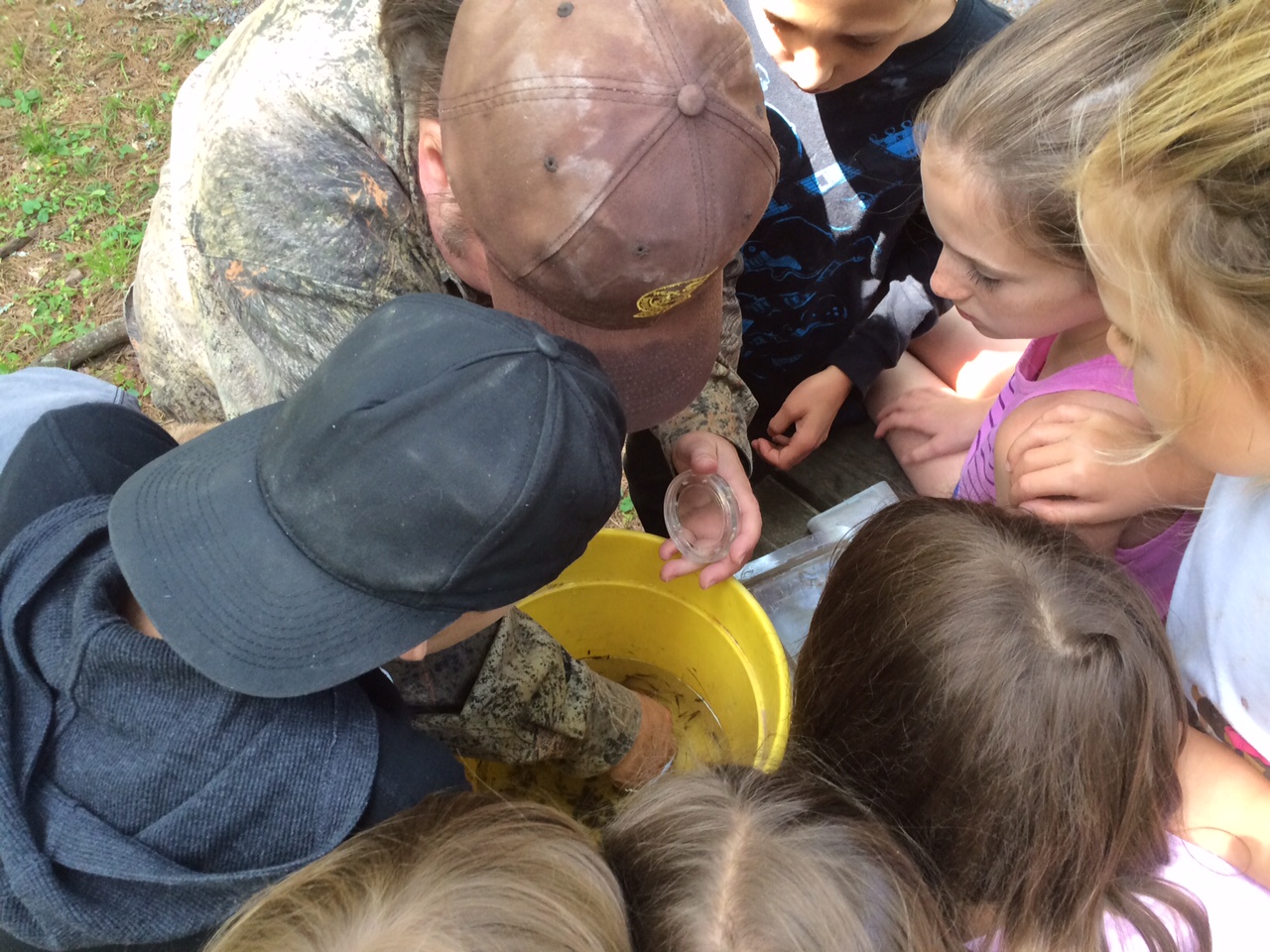
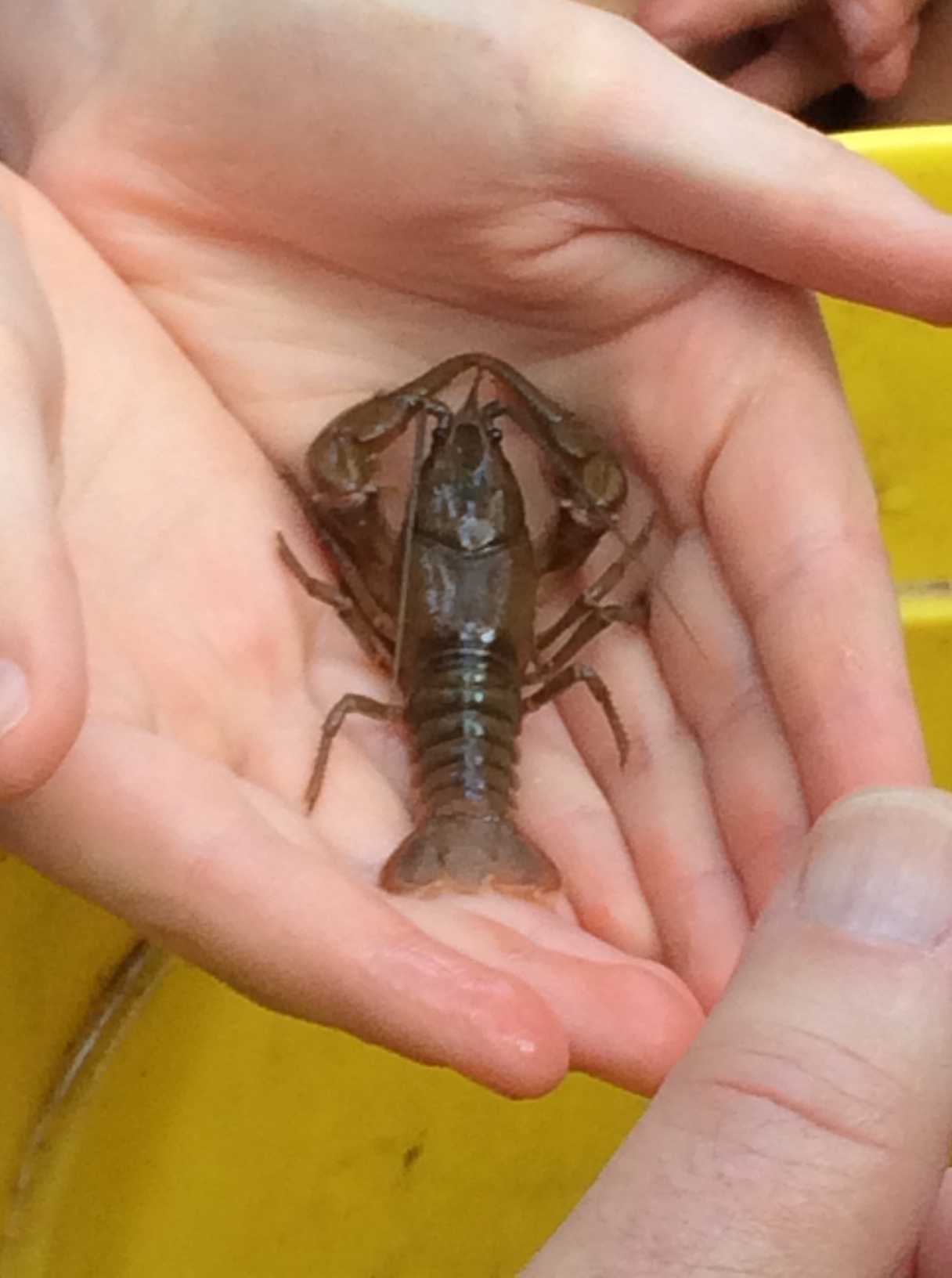
The naturalist then escorted the lively group of children and their parents—many of whom were from the Washington, D.C. area—to the creek where they proceeded to capture things like crayfish, salamanders, minnows, and various insects. After spending some time scouring the creek for critters that they deposited in a bucket, the naturalist had the children gather around a picnic table where he let them get a closer look through a magnifying glass. Parents were asked to take some of the creatures­—like the salamanders and a crayfish with a soft shell—back to the creek where they were released.

crawfish fish

Once these special critters were given their freedom, the naturalist picked up the bucket and led his band of young hunters up the hill to the nature center where he proceeded to dump the creatures that were left in the bucket into a big tank of bass where—much to the horror of one or two parents from the city—the fish proceeded to feast on the bounty that the children had captured.

Unlike their horrified parents, the children were excited to see the fish eat, and they cheered whenever a bass was successful at gobbling down a bug or minnow. This was a real-life, hands-on lesson about the ecosystem and the food web—something not as easily learned by seeing a diagram in a science book.

Ringing in the start of a new school year

ShepherdCarillon

(Listen to the Shepherd carillon play the old fight song)

One of the pleasures of working at Shepherd University, and in Shepherdstown is hearing the bells toll at the top of each hour. One particular bell caught my attention last year because it rang out the Westminster Chimes and struck the noon hour—then it played a pretty melody I didn’t recognize.

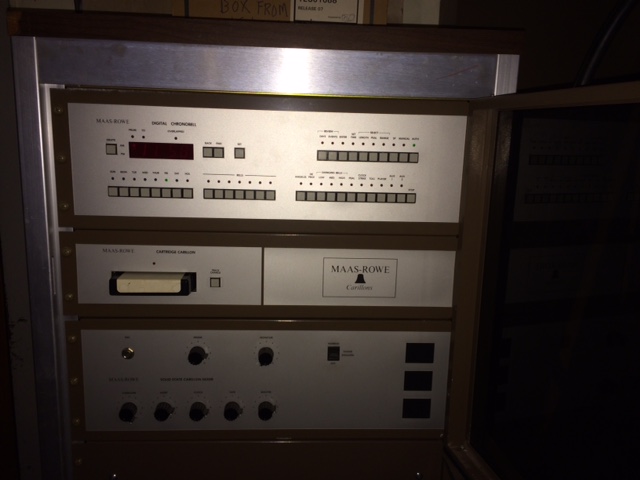
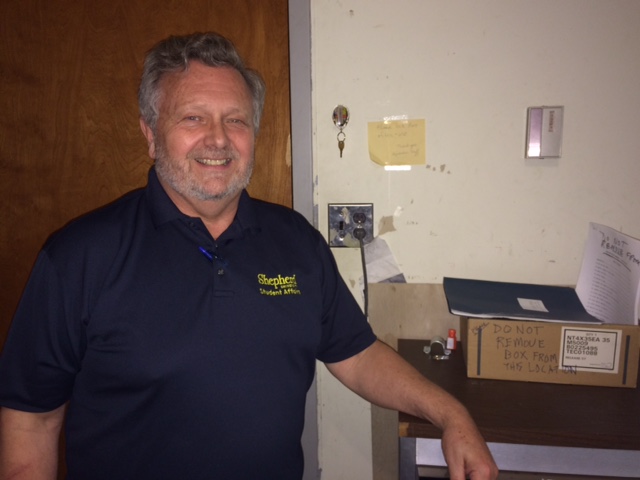
It took me a few weeks to realize the chimes, which were louder than the others in town, were coming from the roof of the Student Center. It turns out Shepherd has a carillon that was purchased in 1984, which Student Center Director Don Rohel gladly showed me one day.

DonRohel

Seeing the machine that plays the song is like stepping back into a time when we all listened to music on that newfangled, state-of-the-art technology, the eight track tape. There are probably a dozen eight tracks sitting on top of the machine with a variety of once popular songs on them. But the one that plays at noon, according to Don, is an old fight song.

Students are returning to campus this week to prepare for the start of the fall semester. I hope if they are walking outside around noon that they pause a few minutes to enjoy the beautiful melody sung by Shepherd’s carillon.

Remembering fun days at summer camp

We recently picked our 12-year-old daughter up from an overnight camp on the other side of Baltimore, Maryland, almost to the Delaware border. She attended the second of a two-week session so parents were invited to the closing ceremony on a Friday afternoon that took place in the outdoor amphitheater. As we stood around watching the counselors perform a funny skit and listening to them lead the campers in song, it brought back fond memories of wonderful days at summer camp in the heart of West Virginia.

I spent a month each summer at Camp Tygart in Randolph County, which was operated by the Catholic Diocese of Wheeling-Charleston, while my sister spent six weeks at horse camp at Ruby Farms in Preston County.

At Camp Tygart our days were filled with swimming, canoeing, archery, riflery, crafts, daily mass, and hiking. At least one night we hauled our sleeping bags out to a pasture and snoozed under the stars, careful to avoid any droppings left behind by the usual occupants of that particular field.

Every week there was a long hike up a mountain that often included the view of a large meadow covered in tall grass and wildflowers blowing in the breeze, a trail ride on mules that were often less than thrilled to be hauling us around, and a big bonfire where we sat around telling ghost stories and singing songs, many made popular by Peter Paul and Mary that were really meant as a protest against an unpopular war. But there were other songs that were part of our camp tradition. They were silly ditties about eating worms (which we always sang before a spaghetti meal), and the song of the sewer (which made little sense but was fun to sing anyway).

Camp Tygart operated one-week sessions, and at the end of each week we looked forward to a trip to nearby Kumbrabow State Forest, where we picnicked and swam in an icy mountain creek, complete with a waterfall to slide down. For campers who stayed more than one week there were weekend activities that usually involved hauling us in the back of a big truck somewhere like a drive-in movie, or to Cass Scenic Railroad.

At the camp my daughter attends they don’t sleep in cow pastures or haul the kids anywhere in the back of big trucks. But they do offer a ton of fun activities like international cooking, horseback riding, sailing, water skiing, and a challenge course with a zip line. They also offer their own traditions that I knew, as I watched that sea of young people standing arm-in-arm during the closing ceremony swaying side to side as they sang the camp’s theme song, were creating special memories that will last a lifetime.

One measure of a child’s development−the annual dance recital

This week marks the culmination of another year of dance lessons for my 12-year-old daughter−and a year’s worth of chauffeuring her and her friends to and from lessons three evenings a week as they study the fine art of ballet, jazz, tap, modern and pointe. All week she and the other students in her dance school have spent many dedicated hours rehearsing for the annual recital.

It seems like just yesterday that my then four year old stood on the stage at the local high school for her first rehearsal. I watched as she reached behind and grabbed the bottom of her leotard to adjust it and make it more comfortable. I asked the teacher later if I should talk to my daughter about not making that adjustment on stage during the performances. The teacher smiled knowingly and replied, “No, don’t say anything, that’s a crowd pleaser.”

FullSizeRender

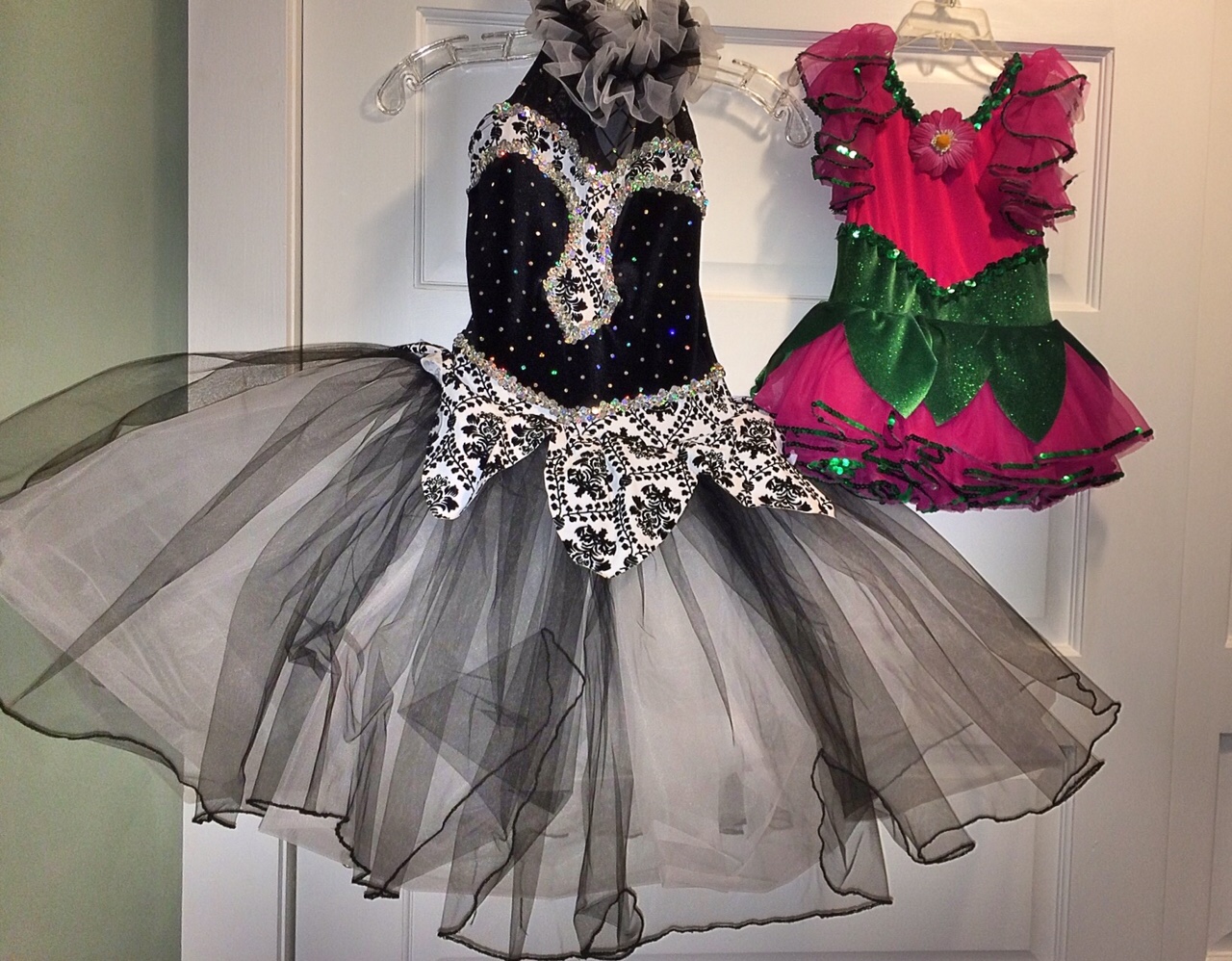
On the left is this year’s pre-pointe costume. On the right is the first ballet costume from nine years ago.


This week I sneaked a peek through a crack in the door as my daughter’s class rehearsed­. They were moving so elegantly on the stage as they practiced their pre-pointe performance, standing tall and straight, taking precise steps as they raised up on the very tips of their toes. None of these girls would ever in a million years make that “crowd-pleasing” adjustment that my daughter made to her leotard when she was just four.

But here’s the thing about seeing your child take dance, or participate in any other activity that builds a particular skill, from the time she is a tiny tot. Each year during the recital you see huge change and progress. The girls in the class not only get taller and look more grown-up, they are also measurably better and more skilled as they master increasingly complicated dance steps and choreography. And seeing our once-little girls up there on stage leaves some of us ‘dance moms’ feeling a tad bittersweet as we realize our daughters are becoming teenagers.

The pros, cons, and oddities of caller ID

RotaryPhoneI’m old enough to remember when phones were plugged into the wall and did not come with amenities like voice mail, call waiting, call forwarding, and caller ID. I’m also old enough to remember learning phone etiquette, which generally involves pleasantly identifying yourself when you first started speaking.

It seems as caller ID has become ubiquitous, all those phone manners that folks my age learned as children are no longer taught. Few people begin a call by identifying themselves and asking to speak to the person they are trying to reach. They just start talking, and assume the caller ID has announced their name. I admit, I’ve been known to occasionally demand identification from a teenager who fails to use proper etiquette when calling the house.

But there’s one aspect of having caller ID that befuddles and, quite frankly, annoys me. Recently I wanted to find out if a particular restaurant in town was open. I used my cell phone to look the restaurant up online. When I couldn’t immediately find the hours posted, I tapped my screen to call. But instead of hearing a message saying I’d reached the restaurant I heard what obviously was someone’s personal voice mail, so I hung up without leaving a message. Wrong number. Oh well, these things happen.

An hour or so later my phone rang. I didn’t recognize the number but answered it anyway. Someone on the other end said “I see you called my number.” Back in the stone-ages when the phone was plugged into the wall and you dialed a wrong number no one called you back demanding to know why you called their number. Because there was no caller ID, they probably didn’t even know you called at all. I will never understand why people today feel compelled to ring up perfect strangers who misdialed to find out why they called.

Saying goodbye to someone who made the world a better place

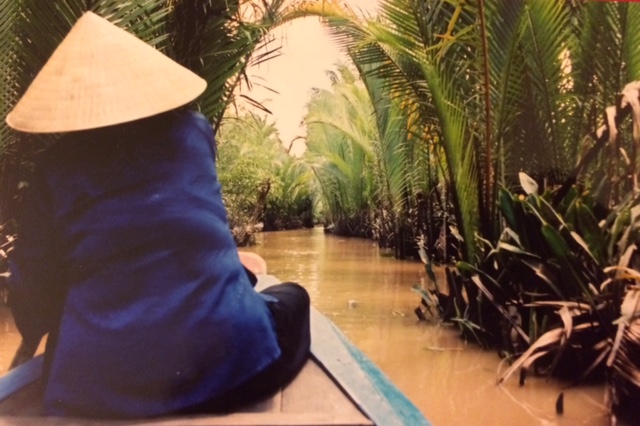
Vietnam2

May 20, 2015—Today I said goodbye to someone who had a huge impact on my family’s life. A remembrance service took place for Paul Pinkerton of Manheim, Pennsylvania, who earlier this month lost his lengthy battle with cancer.

In the late 1960s, Paul was drafted to fight in the Vietnam War. In the 1980s he was drawn back to Vietnam, first to look for soldiers missing in action and then to help that country’s children. For a number of years, Paul and his wife Sandy facilitated adoptions for more than 300 families, including mine, helping children from Vietnamese orphanages find permanent homes.

Vietnam3FullSizeRender

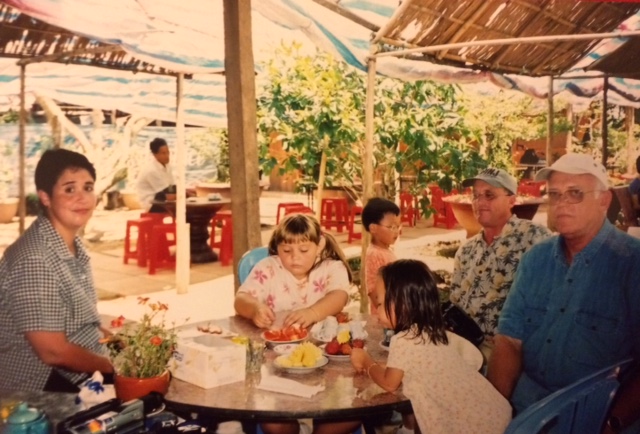
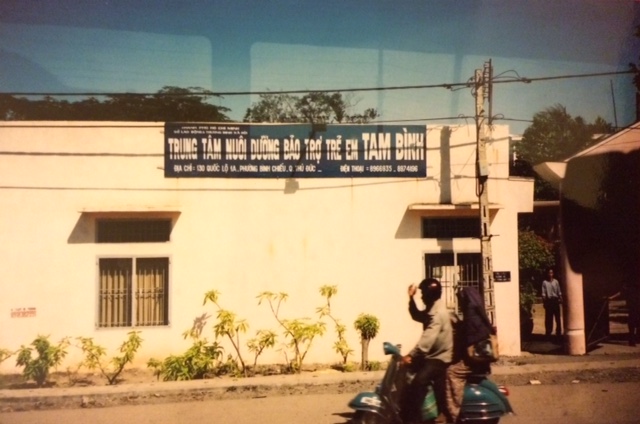
Paul and Sandy came into my life in 2002 when, after many years of toying with the idea of an international adoption, I decided to finally pursue it. In July of that year I was assigned a newborn baby girl who had just come to Tam Binh Orphanage in Ho Chi Minh City. At that time foreign families adopting children were required to make two trips to Vietnam. My first trip came in September. I boarded a flight from Dulles International Airport to Seoul, South Korea, where I first met Paul and Sandy and the other families in my adoption group. From there we flew to Ho Chi Minh City where we briefly met “our” babies and filed the required paperwork to initiate our adoptions. The five families in our group returned to Vietnam November 4, 2002, to finalize our adoptions.

Many times a well-meaning person has commented on how lucky my daughter is because I adopted her. But really, I am the lucky one. Thanks to this Vietnam veteran who took on a new mission of helping children in that country, my life is enriched with the presence of a beautiful, kind-hearted girl who loves to dance, cook, ride the largest roller coasters in the amusement park, and explore the world with great energy, excitement, and enthusiasm.

But Paul’s mission did not end when adoptions from Vietnam were stopped for six years beginning in 2008, or with his death. In 2004 he, Sandy, and some of their friends founded a charity, Paul’s Kids Vietnam Children’s Charity, that helps Vietnamese children by providing money to pay for much needed things like school tuition, medical care, and physical therapy equipment for those with handicaps who remain in orphanages there. His legacy continues through this organization, and through the 300 plus families, including mine, who can’t imagine what life would be like if we had never met Paul and Sandy Pinkerton.